Blog ·
A winter bedtime routine for toddlers when it's dark by 4pm
A good winter bedtime routine is calm, predictable and at the same time each evening, whatever the sky is doing. When it is dark at 4pm, keep the real bedtime where it is, dim the lights as the evening goes on, and let a slow song do the work of telling little bodies that the day is ending.
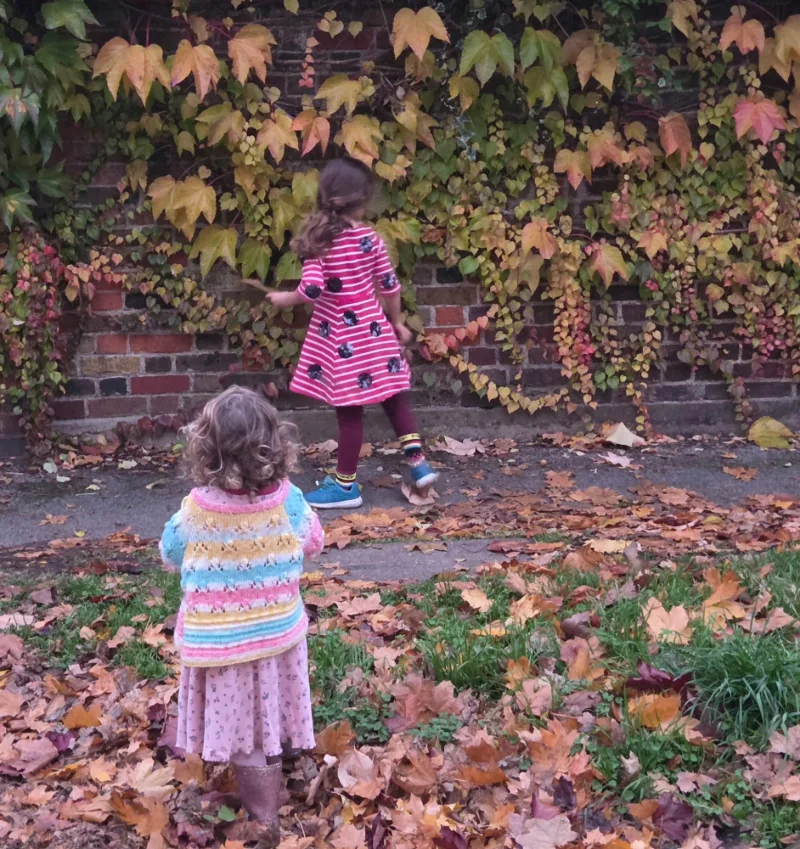
The clocks have gone back, and by teatime the garden looks like it has already gone to bed. In our house, the dark arrives and my girls announce that it must be bedtime. It is, in fact, ten past four. Here is how we get through the long winter evenings without anyone (me included) losing the plot.
Why does it feel like bedtime when it is dark at 4pm?
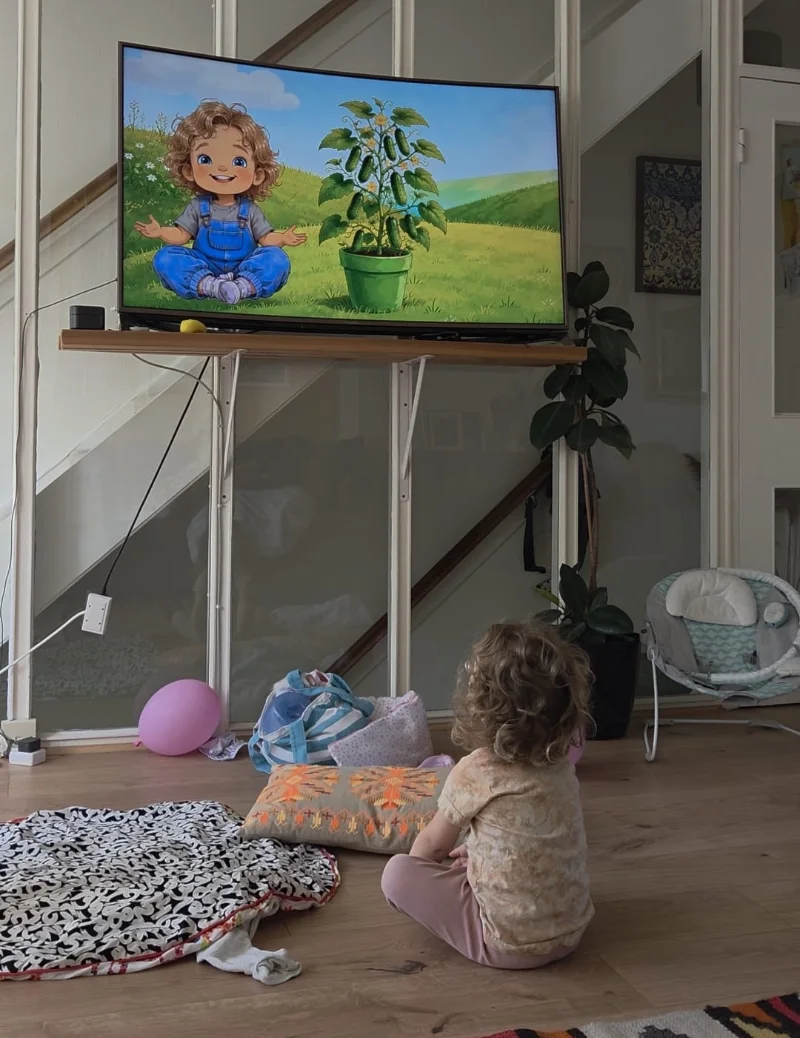
Because to a small person, dark means night. Toddlers do not read clocks, they read windows. So at the first sign of dusk you can get a very sleepy-looking, very grumpy child who is nowhere near ready for bed, and a long evening still ahead.
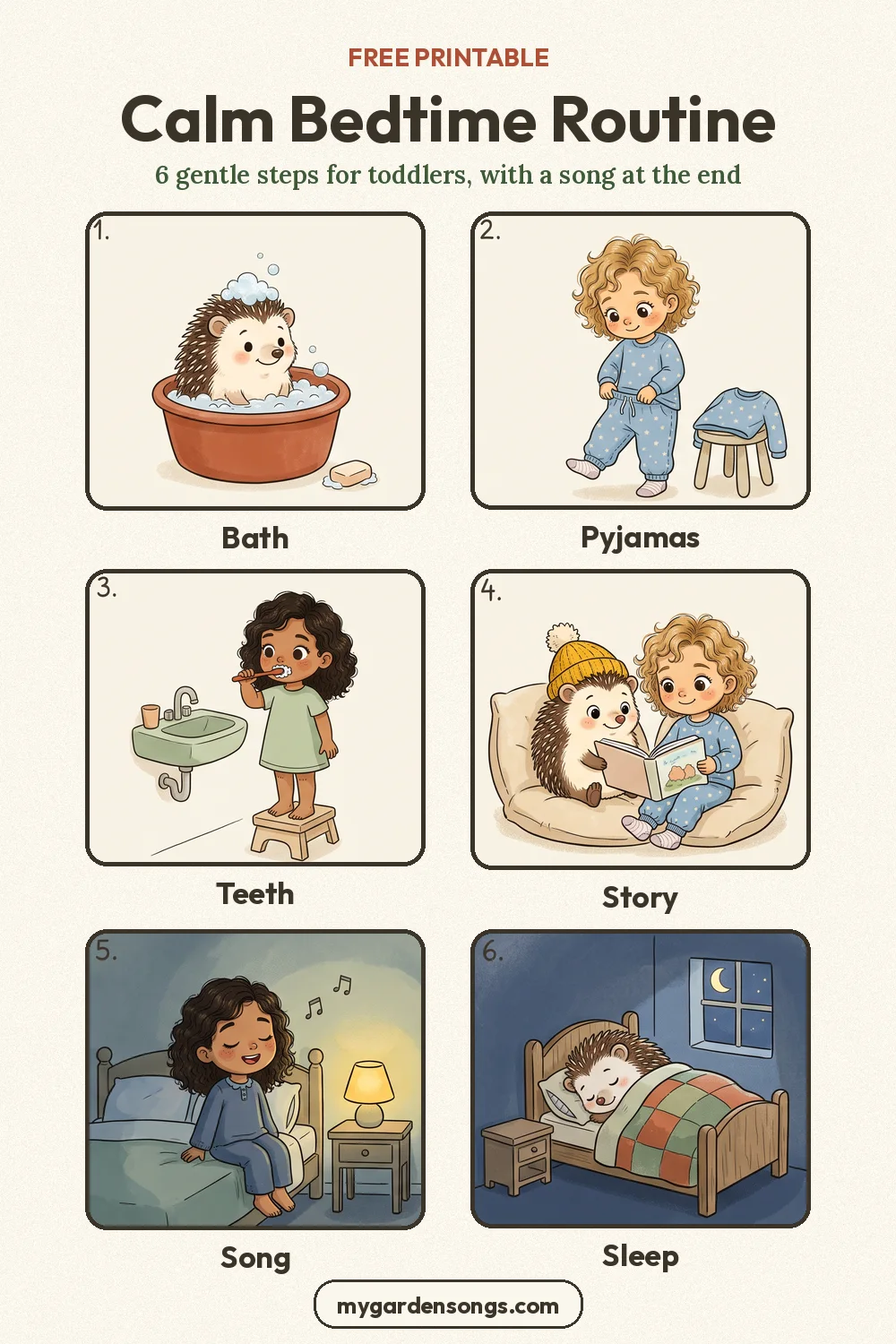
The trick is not to fight the dark but to give the evening a shape. Tea, play, bath, pyjamas, story, song, bed. The dark becomes the cosy bit in the middle, rather than the signal to give up.
Should I move bedtime earlier in winter?
Not just because the sun has gone. The NHS advice for under-5s is to have a calming, predictable bedtime routine that happens at the same time, and to try to be consistent [1]. That is the part that matters: the same time, the same order, most nights.
If your child is truly flagging at 5pm, a slightly earlier tea and a quiet half hour is kinder than a battle. But I would not drag bedtime forward by hours. You will only be awake with them at 5am, and nobody wants to meet a toddler at 5am in the dark. If you are unsure how much sleep your child needs, check with your health visitor or GP.
Does a bedtime routine really help?
There is good evidence that it does. A large study led by Jodi Mindell, covering more than 10,000 mothers of children from babies up to age 6 in 14 countries, found that a consistent bedtime routine was linked with earlier bedtimes, falling asleep faster, fewer night wakings and longer sleep [2]. The more nights a week a routine happened, the better the sleep. It relied on what mothers reported, so it shows a link rather than proof, but it matches what most of us find: routine makes evenings easier.
I find the routine helps the grown-ups too. When I know what comes next, I stop improvising, and when I stop improvising, I stop saying "just one more episode".
What about light and screens before bed?
The NHS says not to let your child look at laptops, tablets or phones in the 30 to 60 minutes before bed, as the light from screens can interfere with sleep [1]. Winter makes this tempting, because everyone is indoors and the tablet is right there.
There is also research on ordinary room light. A University of Colorado Boulder study found that preschoolers' melatonin, the hormone that helps signal night-time, dropped sharply after evening light, even at quite low levels [3]. It involved 36 children aged 3 to 5, so treat it as a gentle nudge, not a rule. The practical version is easy: as bedtime nears, switch off the big overhead light, use a lamp, and keep the tablet in the drawer. A nightlight is fine.
What does our winter evening look like?
Nothing fancy. Roughly:
- Tea early, then some proper running about while it is still the "day".
- Bath and pyjamas. A warm towel on the radiator earns me hero status for about four seconds.
- Lamps only. The ceiling light goes off and the house goes golden.
- A story, then a song, then a cuddle and goodnight.
The song is the same every night, and it is slow on purpose. The Garden Says Good Night is about Mum putting the girls to bed while, out of the window, the whole garden goes to sleep too. If your little one likes a more familiar tune, Twinkle Twinkle Little Star has the old words you know, then gentle new verses where the daisies close, the garden goes to sleep and the stars come out one by one.
What if the routine goes wrong?
It will. Someone will want the other cup, or refuse the pyjamas, or need a wee at the exact moment of the story. Tomorrow is another go. Aim for most nights, not every night, and keep the voice low and the lights lower.
Sleep worries that carry on are worth a chat with your health visitor or GP.
References
- NHS. Sleep and young children. nhs.uk
- American Academy of Sleep Medicine. Study shows that children sleep better when they have a nightly bedtime routine. aasm.org
- ScienceDaily. Even dim light before bedtime may disrupt a preschooler's sleep. sciencedaily.com
New calm songs every monthSubscribe